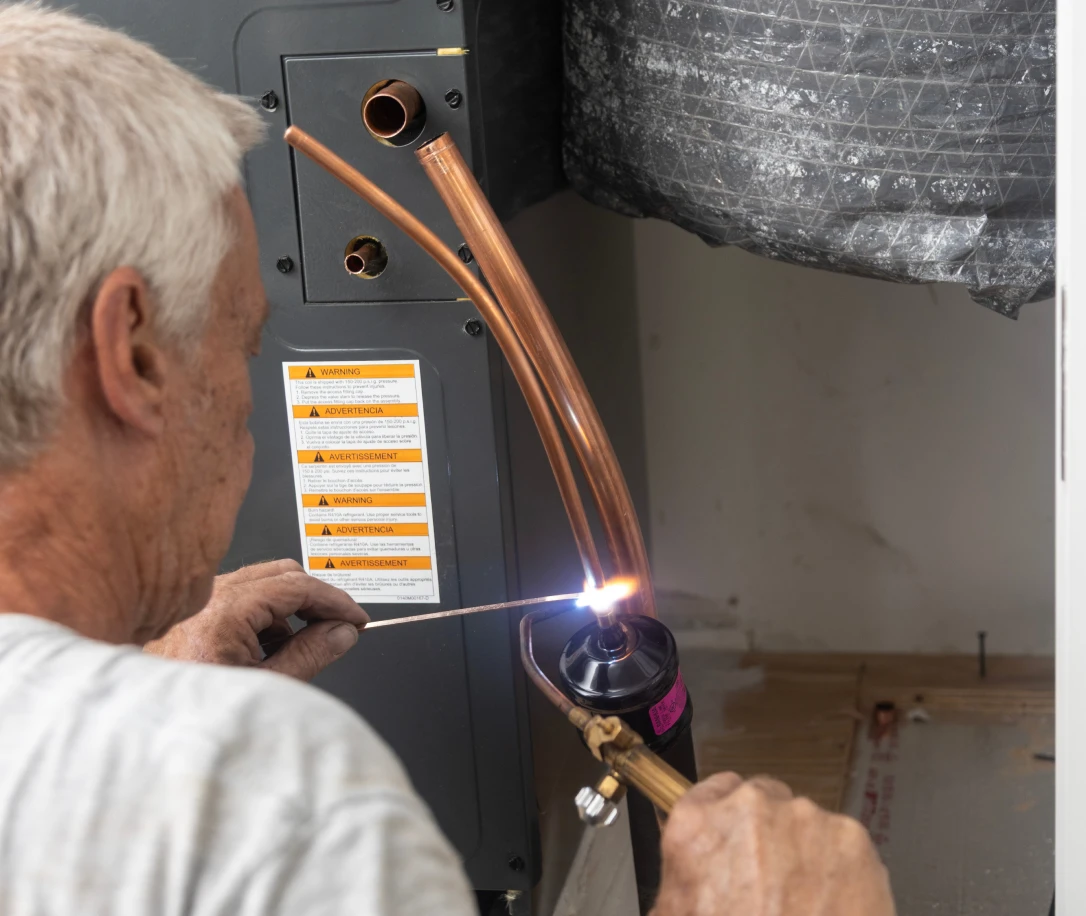
Apopka AC Repair: A Season-by-Season Guide for Homeowners
In Apopka, your air conditioner never gets a vacation. Central Florida’s long cooling season, summer humidity, and hurricane-season storms each put different demands on your system, and each tends to bring its own set of problems. Knowing what to watch for at different times of year can help you prevent breakdowns and recognize when it’s time to call for Apopka AC repair.
This season-by-season guide from Greens Energy covers the issues we see most often across the calendar year. Our family-owned company has kept Central Florida homes comfortable since 1953, and we’ve learned that the right care at the right time makes all the difference.
Spring in Apopka: Getting Your AC Ready for the Heat
Spring is when many Apopka homeowners discover problems that developed quietly over the cooler months. As temperatures climb and the AC starts running longer each day, weak components often reveal themselves.
Pollen and outdoor debris. Central Florida’s spring pollen season coats everything, including your outdoor condenser coil. Known as the Indoor Foliage Capital of the World, Apopka is surrounded by nurseries, wooded lots, and landscaping that add leaves, mulch, and plant debris to the mix. A clogged coil can’t release heat efficiently, so your system runs longer for less cooling.
Start-up struggles. Capacitors and contactors that weakened over winter may fail once the system faces its first sustained workload. A unit that hums but won’t start is a classic sign.
What to do: Spring is the ideal time for a professional tune-up. A technician can clean the coils, test electrical components, flush the condensate line, and confirm refrigerant levels before the summer rush, when appointments are in highest demand.
Summer in Apopka: Peak Demand & Peak AC Breakdowns
From June through September, your AC may run nearly nonstop on the hottest afternoons. That constant workload is when worn parts are most likely to fail.
Warm air from the vents. A system that runs but doesn’t cool usually points to a failed capacitor, a refrigerant leak, a frozen evaporator coil, or a severely clogged filter. If you see ice on the refrigerant lines, turn the system off and call for service. Running it frozen can damage the compressor.
Water leaks. Your AC removes a significant amount of moisture from the air on humid days. When algae builds up in the condensate drain line, water can back up and overflow into ceilings, closets, or floors. Many systems include a float switch that shuts the AC off to prevent damage, which can look like a sudden breakdown.
Humidity that won’t go away. If your home feels sticky even when the thermostat reads a comfortable temperature, your system may be short cycling, oversized, or low on refrigerant. Ideally, indoor humidity should stay around 50%.
What to do: Change your filter every one to three months, keep the thermostat at a steady setting instead of making big swings, and call promptly when something changes. Small problems caught early are far easier to fix in the middle of summer.
Hurricane Season: Storms, Surges, & Debris
Atlantic hurricane season runs from June 1 through November 30, overlapping with Apopka’s busiest cooling months. Even without a direct hit, daily thunderstorms and tropical systems can take a toll on your AC.
Power surges. Lightning strikes and power restorations after outages can send surges through your electrical system, damaging capacitors, contactors, and control boards.
Flooding and debris. Outdoor units sit close to the ground. Standing water can damage electrical components, and wind can drive branches, leaves, and debris into the condenser fins.
What to do before a storm: Clear loose items from around the outdoor unit and consider a whole-home or HVAC surge protector.
What to do after a storm: Don’t restart a unit that was submerged or visibly damaged. Clear debris from around the condenser, and if the system won’t start, blows warm air, or makes new noises after power returns, schedule an inspection before running it further.
Fall & Winter: A Smart Time for AC Repairs
Cooler months bring a welcome break, but they’re also the best time to address lingering issues. Demand for service is lower, and there’s no rush to restore cooling on a 95-degree day.
Heat pump issues. Many Apopka homes use heat pumps, which cool in summer and heat in winter using the same outdoor unit. On chilly mornings, a heat pump that blows lukewarm air, runs constantly, or makes loud defrost noises may need attention.
Repairs you put off. If your system limped through summer with a minor noise or uneven cooling, fall is the time to fix it before the problem grows.
What to do: Schedule your second tune-up of the year in the fall. Twice-yearly maintenance keeps your system efficient, helps protect your warranty, and catches small problems early.