Celebration AC Repair: Why Humidity Control Matters as Much as Cooling
When most people think about air conditioning, they think about temperature. But in Central Florida, your AC has a second job that’s just as important: removing moisture from the air. A home can sit at 74 degrees and still feel sticky, smell musty, and leave you reaching for the thermostat if humidity isn’t under control.
This guide from Greens Energy explains how your air conditioner manages humidity, the signs that it’s falling short, the repairs and adjustments that can fix it, and when to call for Celebration AC repair.
AC Usage & Maintenance in Celebration
Celebration’s front porches, tree-lined streets, and walkable downtown along Lake Rianhard make it one of Central Florida’s most distinctive communities. Since the town’s first homes went up in the mid-1990s, many households are now on their second or even third air conditioning system, while others still rely on older equipment nearing the end of its life.
The town’s design also shapes how homes are cooled. Houses sit relatively close together, outdoor units often share tight side yards, and townhomes and residences above downtown shops have compact equipment spaces. Many homes also follow community architectural guidelines, so it’s worth checking with your homeowners association before changing outdoor equipment placement.
Through it all, the climate stays the same: long, hot summers and humidity that rarely lets up. That makes moisture control a key part of comfort in every Celebration home.
How Your AC Removes Humidity
Your air conditioner dehumidifies as a natural part of cooling. Here’s how it works:
- The blower pulls warm, humid air from your home across the indoor evaporator coil.
- The coil is very cold because refrigerant inside it is absorbing heat.
- As the air passes over the cold coil, moisture condenses on the coil’s surface, just like water droplets forming on a cold glass on a summer day.
- That water drips into a drain pan and flows away through the condensate drain line.
- Cooler, drier air returns to your rooms through the ductwork.
For this process to work well, the coil needs to stay cold and clean, the system needs to run long enough to pull moisture out, and the water needs a clear path to drain away. Most homes are most comfortable with indoor humidity between 40% and 60%, and many people find around 50% ideal. An inexpensive digital hygrometer can tell you where your home stands.
Signs Your Home Has a Humidity Problem
High indoor humidity often develops gradually, so it’s easy to get used to. Watch for:
- A sticky or clammy feeling even when the thermostat shows a comfortable temperature
- Lowering the thermostat to feel comfortable, which increases energy use
- Musty odors, especially in closets, bathrooms, or when the system starts
- Condensation on windows, mirrors that stay fogged, or sweating air vents
- Dark spots or mildew on ceilings, grout, window frames, or around vents
- Damp-feeling bedding, towels, or furniture
- A hygrometer reading consistently above 60%
Any of these signs suggests your system isn’t removing enough moisture, and the cause is often fixable.
AC Problems That Hurt Dehumidification
Short cycling and oversized systems. It takes several minutes of steady operation for the coil to get cold enough to pull significant moisture from the air. A system that turns on and off every few minutes lowers the temperature quickly but leaves humidity behind. Oversized equipment is a common cause, along with thermostat placement, electrical issues, and low refrigerant.
- Dirty evaporator coil. Dust and grime insulate the coil, keeping it from getting as cold as it should. Less moisture condenses, and the system works harder.
- Low refrigerant. A refrigerant leak reduces the coil’s cooling ability. At first, humidity removal suffers. As the leak worsens, the coil may freeze and cooling can stop altogether.
- Fan set to “On” instead of “Auto.” When the thermostat fan runs continuously, moisture that collected on the coil can evaporate back into your home after the cooling cycle ends. For most Florida homes, “Auto” is the better setting.
- Airflow problems. Too little airflow can cause the coil to freeze, while airflow set too high moves air across the coil too quickly to remove much moisture.
- Drain issues. If the condensate line is clogged, water can back up in the drain pan, adding moisture to the air and risking leaks and mold.
- Leaky ductwork. Return ducts with leaks can pull hot, humid attic air into your system, adding moisture faster than the AC can remove it.
Bringing Humidity Back Under Control
Start with simple settings. Switch the thermostat fan to “Auto,” keep temperatures steady instead of turning the system off when you leave, and run bathroom and kitchen exhaust fans during showers and cooking.
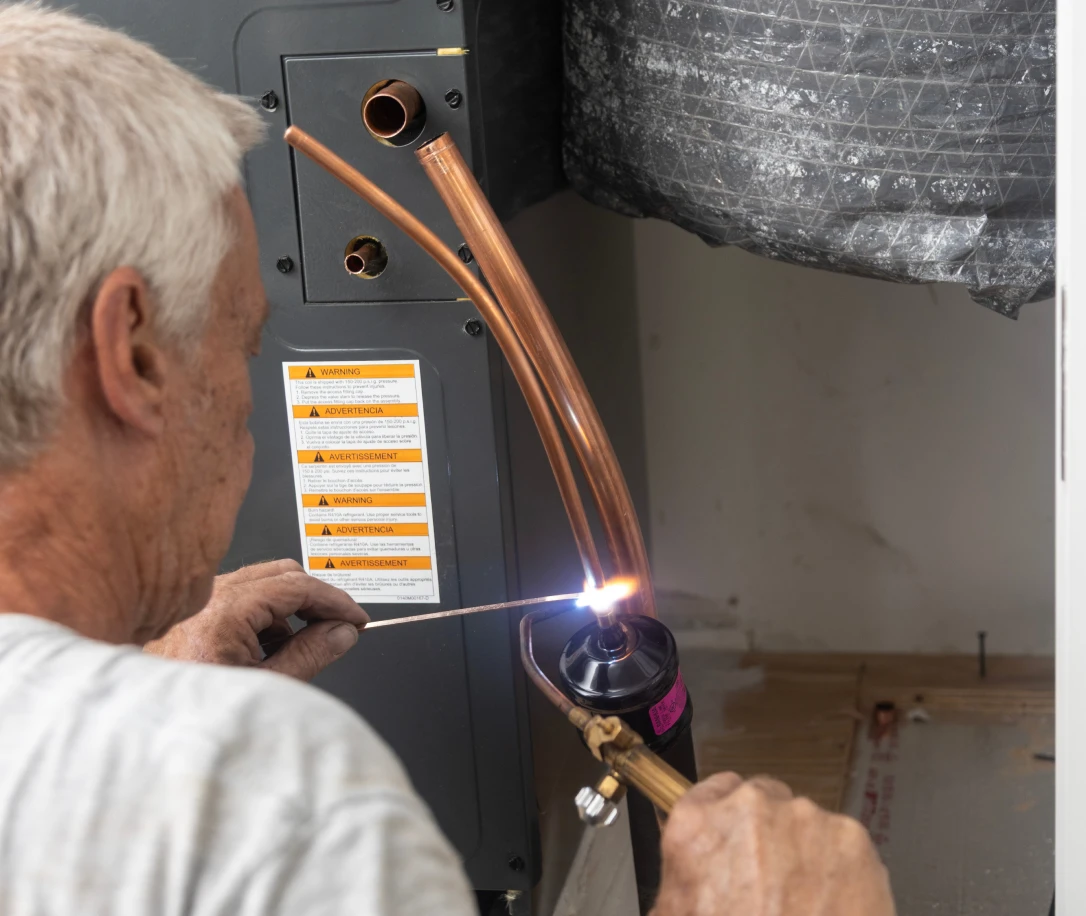
Address the repair. A technician can measure temperatures, pressures, and airflow to find the cause. Common fixes include cleaning the coil, repairing refrigerant leaks and restoring the correct charge, clearing the drain line, adjusting blower speed, and sealing accessible duct leaks.
Consider an upgrade when needed. If your system is oversized or nearing the end of its life, replacement may be the best long-term solution. Variable-speed systems can run longer at lower speeds, removing more moisture while keeping temperatures steady. In homes with persistent humidity, a whole-home dehumidifier that works alongside your AC can also help.
Keep up with maintenance. Professional tune-ups twice a year help keep coils clean, drain lines clear, and refrigerant and airflow where they should be. Through the Greens Comfort Club, our technicians clean coils, flush drain lines, test electrical components, and perform full system checks.
Celebration AC Repair From Greens Energy
If your home feels warm, sticky, or musty, Greens Energy can help restore both cooling and comfort. Our licensed, certified technicians repair all major brands, including Carrier, Trane, Lennox, Amana, and Mitsubishi. We provide upfront pricing, honest recommendations, and 24/7 emergency service for Celebration homes and businesses.